An
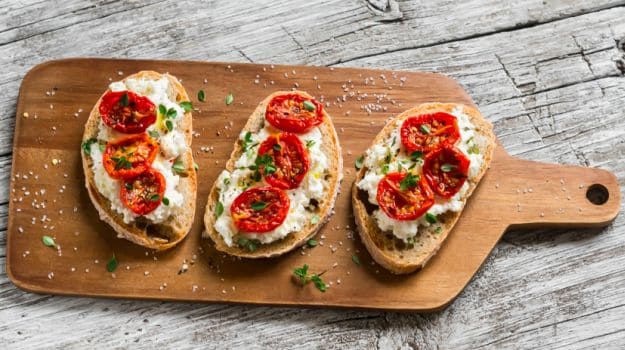
antipasto dish, bruschetta has grilled bread topped with veggies,
rubbed garlic and tomato mix. A country bread sliced and topped with
different toppings – the evergreen tomato-basil and an inventive
mushroom-garlic. The classic Italian starter!
Bruschetta is a classic Italian dish with generous garlic flvaour and a cheesy, spicy, tomato topping!
Italian food is a surprisingly diverse
cuisine. Each of the twenty Italian regions has a distinctive set of
flavors, recipes, products, and ingredients. In fact, the Italian
regions were not officially united as a nation until the mid-19th
century; therefore, each individual region has retained much of its
exclusive identity.
Climate and natural landscape have played a
major role in shaping regional cuisines. Creamy risotto and other
delicately flavored dishes predominate in the Northern regions, while
bright olive oil and tomato-based recipes rule the sunny South. Beef is
best enjoyed as Florentine steaks in Tuscany, from choice cattle raised
in the Chianina Valley. The city of Alba and surrounding areas of the
Piedmont region are a top source for expensive truffle mushrooms,
particularly pungent white truffles. Access to both the Mediterranean
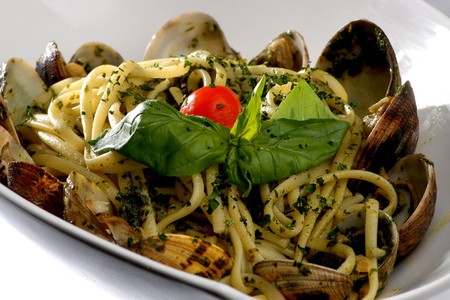
and Adriatic Seas makes fresh seafood dominant, though varied,
throughout the peninsula.
Proximity to other countries and a
history of militant invasions play a role in the uniqueness of regional
cuisines as well. This explains the unprecedented popularity of
sauerkraut and goulash in the Alpine regions of Trentino-Alto
Adige/Südtirol and Friuli-Venezia Giulia. The culinary footprints of
conquerors can be seen in the unexpected presence of Arabic spices and
North African couscous in Sicily today. In fact, these conquerors are
largely responsible for bringing such Italian staples as tomatoes and
basil to flourish in the South.
Such artisan products as wine,
cured meat (salumi), and handcrafted cheese can be found throughout
Italy. The style and flavor of these delicacies varies greatly according
to region.
Italy is one of the largest wine producers in the
world with a broad span of both white and red varietals. Yet the
Sangiovese varietal, originating in Tuscany, is arguably Italy’s
winemaking claim to fame. Derived from the words “sanguis Jovis” or
“blood of Jobe,” this red wine grape is the main grape in Chianti and
Brunello wines.
Cured meats, like the popular prosciuttos of the
North and various salamis of the South, are used in such culturally
significant dishes as the savory Easter pies made throughout Central and
Southern Italy.
 vukvuk11petar